
That first tee shot can feel like the longest walk in golf.
You’ve paid your green fee. The group behind you is watching. Your buddies are quiet. Suddenly, a simple swing feels like a performance at The Open.
If you’re an average golfer, first tee nerves are completely normal. Even pros deal with them — they’ve just learned how to manage them.
Here’s how you can too.
Why First Tee Nerves Happen
First tee anxiety usually comes from:
-
Fear of embarrassment
-
Overthinking mechanics
-
Trying to impress others
-
Pressure from slow play behind you
-
Not being fully warmed up
Your body responds with adrenaline — which makes your heart race, your hands tight, and your swing quick.
The goal isn’t to eliminate nerves.
It’s to control them.
1. Get to the Course Early (And Actually Warm Up)
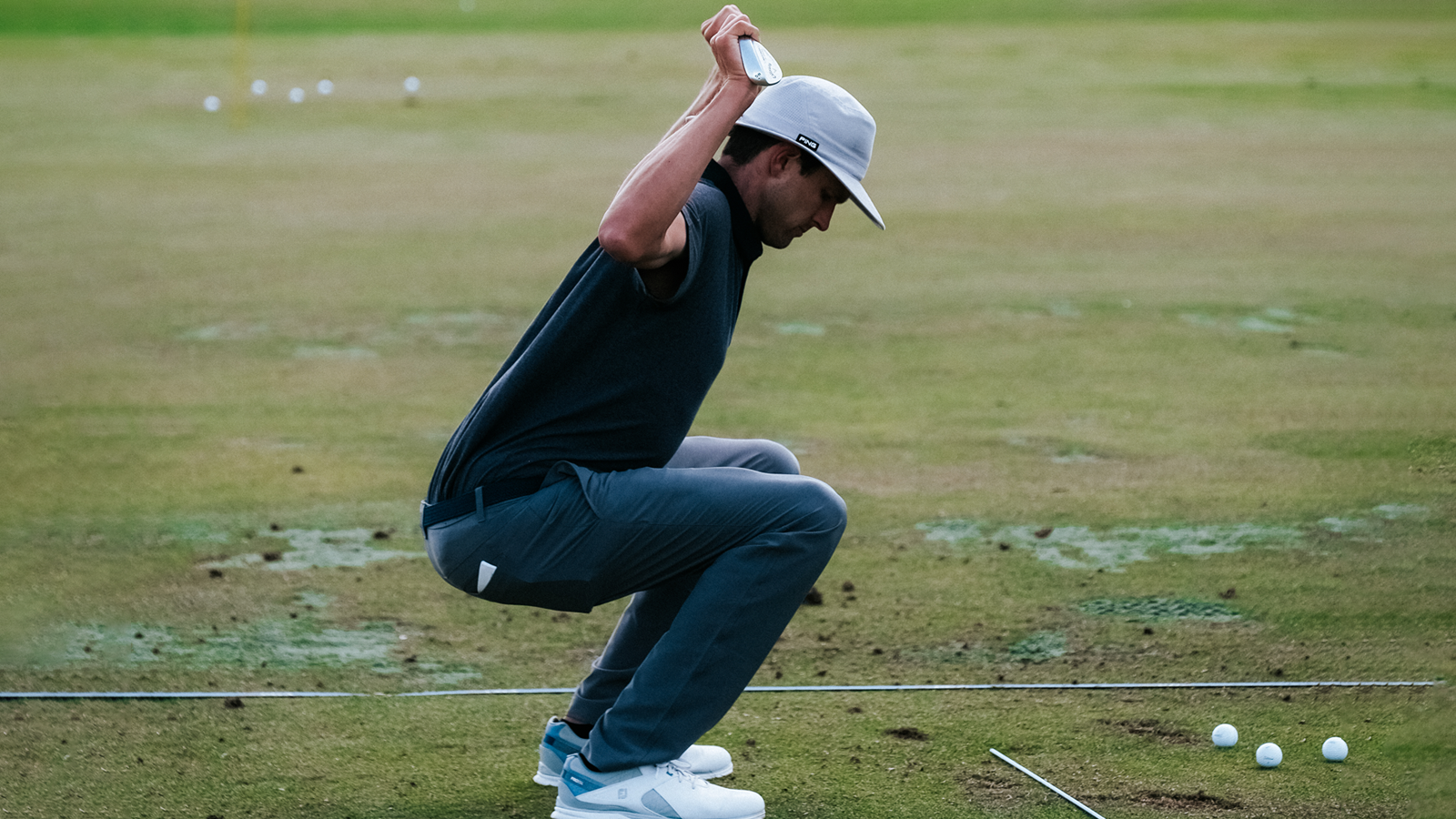

Most first tee nerves are worse when you rush.
Arrive 30–45 minutes early and:
-
Hit 10–15 easy range balls (not rapid-fire drivers)
-
Stretch your shoulders and hips
-
Roll a few putts to feel the greens
You don’t need a perfect warm-up — you just need to feel loose and prepared.
Preparation reduces panic.
2. Lower the Stakes in Your Head
You are not playing in:
-
The Masters
-
The Open Championship
-
U.S. Open
You’re playing Saturday golf.
No one in the parking lot will remember your tee shot in 10 minutes.
When you shrink the importance of the moment, your body follows.
3. Have a Simple First-Tee Strategy
Average golfers make a big mistake:
They grab driver automatically.
Instead:
-
Consider hitting a hybrid or 5-iron
-
Aim for the widest part of the fairway
-
Focus on smooth tempo, not distance
Your only goal on the first hole should be:
Advance the ball safely.
Nothing builds confidence like starting with a playable second shot.
4. Use a “Trigger” Routine
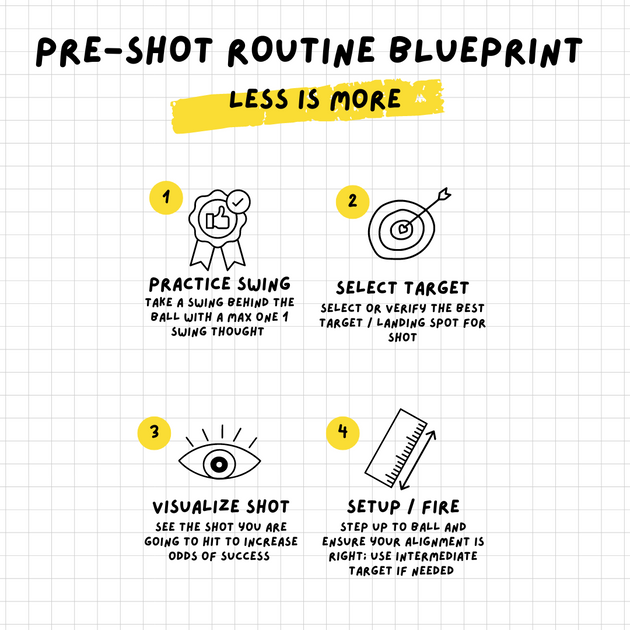

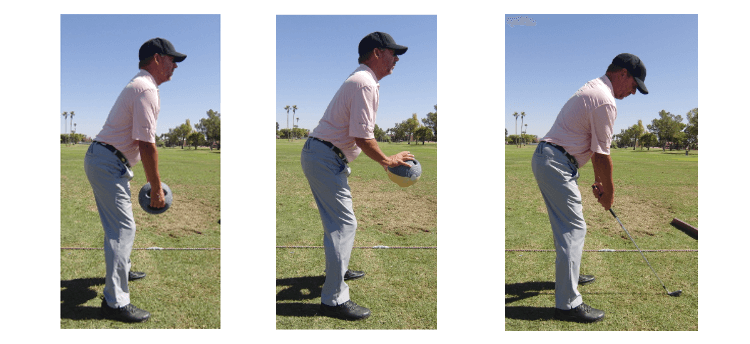
A consistent pre-shot routine acts like a mental anchor.
Keep it simple:
-
Pick your target
-
One practice swing
-
Deep breath
-
Step in and swing within 5 seconds
Routine quiets your brain.
The less time you stand over the ball, the less your thoughts spiral.
5. Accept That It Might Not Be Perfect
Here’s a secret:
Even great golfers don’t always stripe the first one.
If you hit it:
-
In the rough
-
Slightly thin
-
Short of your target
You’re fine.
Golf is 18 holes. Not one swing.
Your round isn’t decided on the first tee — unless you let it be.
6. Reframe the Nerves as Excitement
That racing heart?
It’s energy.
Instead of thinking:
“I’m nervous.”
Try:
“I’m excited to play.”
Your body reacts almost the same way — but your mindset shifts from fear to opportunity.
7. Play More Often
Exposure reduces anxiety.
The more first tee shots you hit, the less dramatic they feel.
Eventually, it becomes routine.
And routine kills nerves.
A Simple First Tee Checklist
Before you swing, ask:
-
Am I swinging at 80%?
-
Do I have a clear target?
-
Did I take one deep breath?
-
Am I committed?
If yes — pull the trigger.
Final Thought
Every golfer has felt that first tee pressure.
The difference between nervous golfers and confident golfers isn’t talent.
It’s perspective.
Slow down. Breathe. Swing smooth.
And remember:
The group behind you is just hoping you don’t take five practice swings.